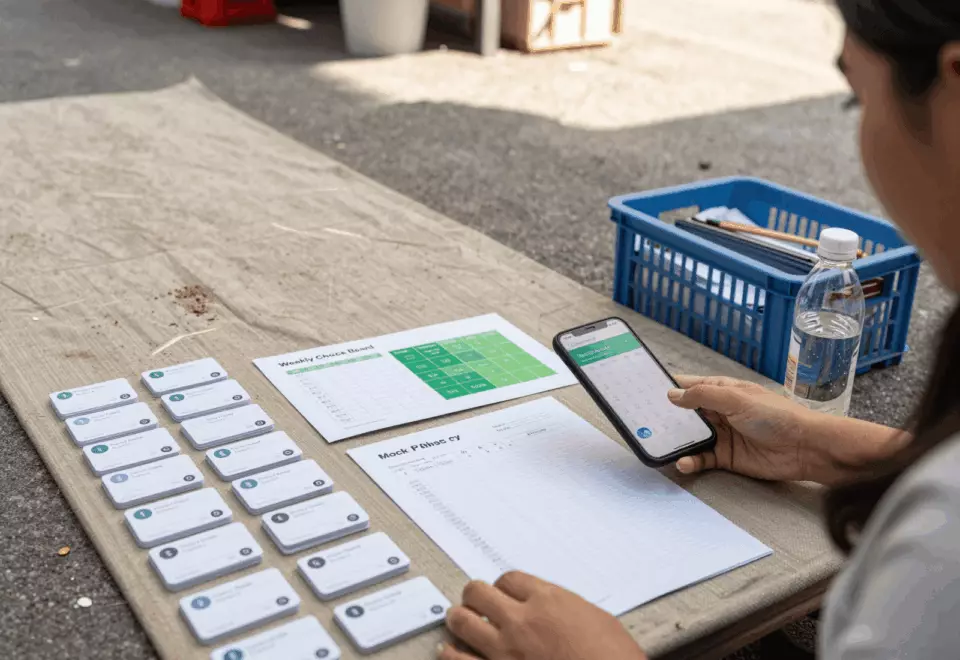
Philippines IELTS prep
IELTS Online Course Philippines: Flexible Prep Around Work, Family, and Deadlines
Use free classes to test the method, then move into a self-paced IELTS course path with practice and writing support. The route can still branch into Academic or General Training once the official requirement is clear.
 Self-paced studyFree class start
Quick fit check
What this online path helps you decide
Most learners in the Philippines need a route that still works when work shifts move, family duties interrupt the week, or an exam deadline gets closer.
Before you book
Confirm official requirements first
If your IELTS score is tied to migration, university admission, professional licensing, or employment, verify the latest rules with the relevant official body before you set a test date.
Minimum scores can be only one part of the decision. Document rules, accepted test formats, and booking windows can change, so your study calendar should follow the real requirement instead of a remembered rule from a friend or an old forum thread.
Use this page as a preparation map. Before paying for a review package or retake, confirm the exact target score and deadline.
Local reality
Why online prep fits many Philippines learners
For many candidates in Metro Manila and other Philippine study hubs such as Cebu or Davao, online study is more than convenient.
It is often the format most likely to survive rotating shifts, family responsibilities, traffic, and exam travel limits. A structured IELTS online course lets you train in repeatable 25 to 40 minute blocks, then return to the same lesson flow after interruptions.
Course quality
Look for structure, not lesson volume
A course should create a repeatable exam routine, not just store videos.
Clear sequence
Lessons move from foundations to section practice and review.
Checkpoints
Practice shows which section needs the next correction loop.
Writing support
Tasks, revision, and feedback routes help prevent repeated errors.
Online course vs local classroom options
This page describes online preparation, not in-person classroom teaching inside the Philippines.
| Option | Best for | Main tradeoff |
|---|---|---|
| Local in-person class | Fixed attendance support | Less schedule control |
| Self-paced online course | Shift and family schedules | Requires self-direction |
| Free online classes | Testing method fit | Limited depth |
| Writing tools | Finding repeat errors | Needs lesson follow-up |
Use free IELTS classes as a serious pilot
The first practical question is often whether there are Free IELTS classes to try before paying.
That is a useful starting point because online ecosystems vary widely, and a short pilot can show whether the teaching style works for you. A credible free class should make the structure easy to understand and give you one strategy you can apply immediately. It should also make the next step obvious instead of feeling like scattered tips with no course path behind them.
Use the free phase deliberately: complete one module, repeat one activity, identify your weakest section, and decide whether you need full one-year access or a slower free-first route. The free stage should lead to a decision point; if you stay there forever, you may learn the test format without building the depth needed for timed performance.

Free to full
What changes after the free phase
Free lessons help you test fit.
Full access should add a course sequence, enough practice volume, section balancing, and a review rhythm that includes Listening, Reading, Writing, and Speaking awareness. For learners in the Philippines with unpredictable weeks, the full value is continuity. A missed day becomes a delay, not a collapsed study plan.
A practical module flow
A self-paced course works best when the order is clear enough to repeat after interruptions.
Start with orientation
Understand the exam sections, score logic, and your first baseline.
Build section control
Rotate through listening, reading, writing, and speaking awareness.
Review mistakes
Track timing, task interpretation, and repeated writing issues.
Run checkpoints
Use practice tests to decide the next focused correction cycle.
Two study modes that can work together
Short weekday sessions and longer weekend practice blocks support the same course path.
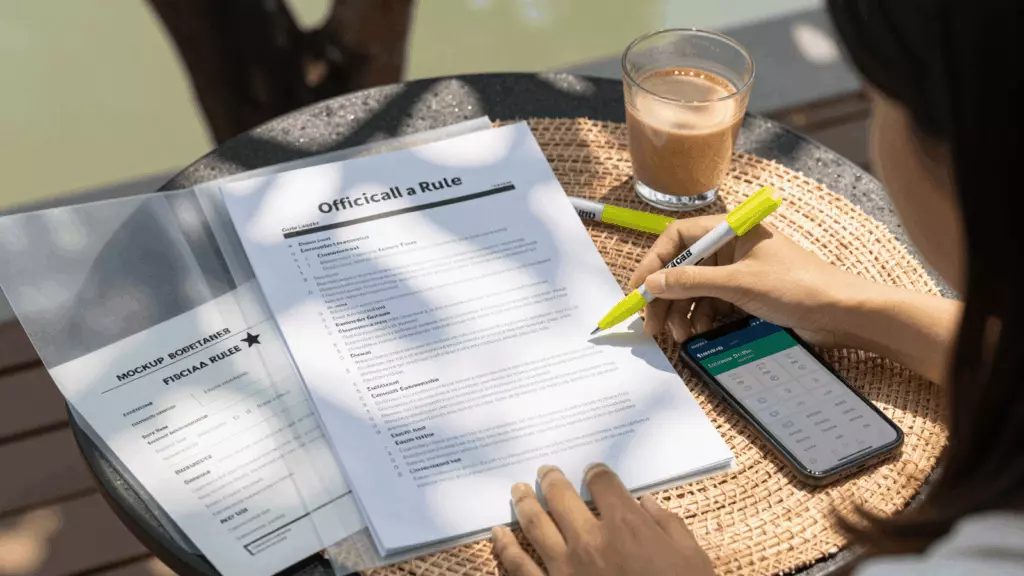
A short reading or listening block before work or after class.
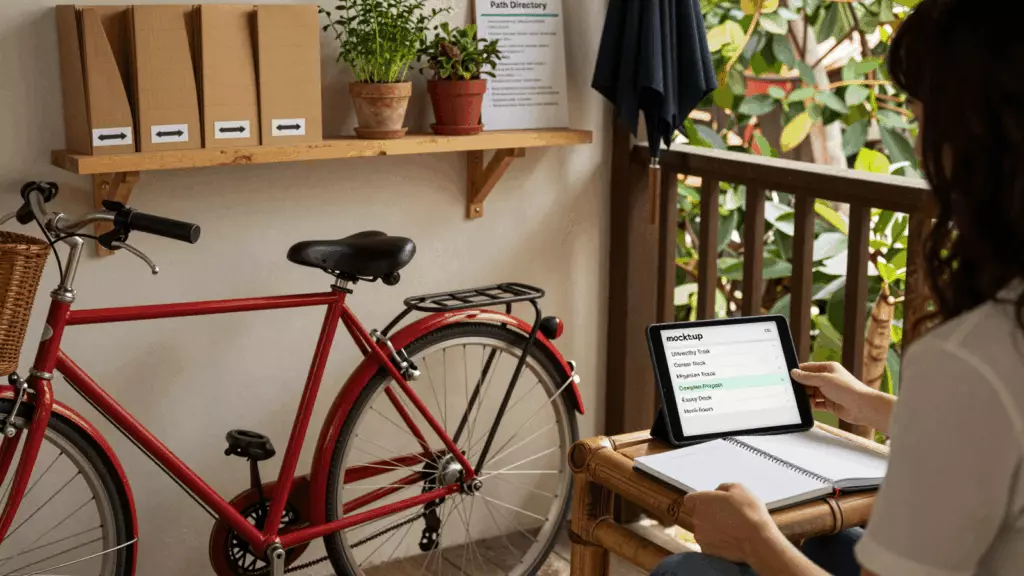
A weekend checkpoint with timed tasks and correction notes.

Test type
Choose Academic or General Training early
Do not guess your test type. University admission and study-abroad goals usually point toward the IELTS Academic preparation course, while migration and work pathways often point toward the IELTS General Training course.
Choosing late can waste weeks on the wrong task style, especially in Reading and Writing.
Weekly schedule checklist
Use this before choosing a course intensity.
Can you study four micro days?
Protect 20 to 40 minute blocks.
Can you keep one long block?
Reserve a weekend or rest-day practice slot.
Can you recover after gaps?
Restart with one unfinished section.
Can you review errors weekly?
Track mistakes before adding new lessons.
Where practice tests and writing support fit
IELTS practice tests are most useful when they diagnose the next correction cycle.
They should show whether the main problem is timing, task interpretation, section balance, or a mix of causes that needs a narrower review plan. Writing is often the section where learners in the Philippines feel stuck. A broad IELTS writing course can teach task structure, while an IELTS writing checker can help identify repeated patterns in your drafts.
Do not chase a perfect essay on every attempt.
Revise one or two high-impact issues, then test whether those fixes survive under time pressure. Lessons and checker feedback should feed the same practice-test loop: attempt, diagnose, revise, retest, then rebalance the next study block.

Writing support should create a revision loop
When writing is the bottleneck, avoid random essay practice. Write one response, tag the main issue, revise with a focused rule, and try a timed follow-up.
This is where course lessons and checker output should reinforce each other instead of competing for attention.
A realistic Band 7 timeline
Band 7 planning starts after you can see your section pattern clearly.
Weeks 1-2
Confirm test type, sample free classes, and set a baseline.
Weeks 3-6
Build foundations and correct the most visible leaks.
Weeks 7-12
Increase timed practice and rebalance around weak sections.
Months 4-6
Close band gaps with precision review and test-day pressure.
Plan around evidence, not anxiety
A visible score path helps you decide when to move into IELTS Band 7 course work.
Common mistakes to avoid
These mistakes waste the most time for online learners.
Counting lessons
More videos do not guarantee better preparation. Sequence and correction matter more.
Schedule mismatch
If the course rhythm does not match your real week, the content will sit unused.
Testing too early
Early tests should diagnose issues, not decide whether you are capable.
Choosing late
Academic and General Training should be decided before deep writing practice.
Core next steps
Use the page that matches your current bottleneck.
Full course
Follow the structured online path.
Open resourceFree classes
Test the method before paying.
Open resourcePractice tests
Diagnose timing and section gaps.
Open resourceWriting checker
Find repeated writing issues faster.
Open resourceIELTS online course
Continue with this related IELTS preparation step.
Open resourceFree IELTS classes
Continue with this related IELTS preparation step.
Open resource
Use one-year access as risk management
One-year access is useful when exam dates move, job schedules change, or family obligations interrupt study. It gives you re-entry windows instead of forcing one rushed attempt.
Candidates with tight deadlines can still run a compressed cycle inside that year, while long-horizon learners can repeat modules without restarting from zero.
FAQs for Philippines candidates
Short answers for common online IELTS course questions.
Yes, if you build the plan around your real schedule. Micro-sessions and one longer weekly block are usually more realistic than waiting for perfect free days.
They are a smart starting point, but usually not a complete preparation system. Use them to test fit, then decide whether you need full course structure.
Yes, but only if you choose the correct track early. Academic and General Training have different reading and writing demands.
Use it after you have a draft or timed response. The checker is most useful when its findings feed back into lessons and revision practice.
Yes, if your section consistency is already visible. If not, stabilize foundations first, then move into Band 7-specific preparation.
Related IELTS routes
Use these next if your Philippines study goal is already more specific.

Next step
Start flexible, then build a complete IELTS routine
Begin with free lessons, then move into the full online course when you are ready for sequence, practice, and writing support.