IELTS exam prep
IELTS General Training for Canada Immigration: Course and…
A practical roadmap for candidates targeting Canada immigration through IELTS General Training, including module selection, section-level planning, score planning without fixed threshold claims,…

Action list
Use this before the next step
A short checklist keeps the page practical instead of theoretical.
Know your goal
Define the score and route before study volume.
Use the right page
Move to the linked core page that matches the need.
Measure progress
Retest only after focused revision.
Avoid guarantees
Treat improvement as a system, not a promise.
Start with pathway rules, not module mythology
Before discussing reading passages or writing templates, your first step should be to identify exactly which Canadian immigration route you are preparing for and what evidence it requires.
For many candidates, this is the first hidden gap. People treat IELTS as if it has a single meaning, when in practice it is only one part of an application system. For immigration, the accepted module, section emphasis, and validity window can be different between streams and can change over time.
When you compare this, use an evidence sheet:
Program name and stream (for example, work, skills, family-related immigration categories, or other routes) – Official page or policy source (official source link and last checked date) – Accepted module (Academic, General Training, or program-specific acceptance exceptions) – Section minima or total score conditions, if published – Score validity requirements and re-test windows – Required number of attempts or recency considerations – Additional language-proof requirements for dependent documentation
If you do this in the first 48 hours, you avoid the most expensive mistake in IELTS preparation: studying for six or more months against an unverified assumption.
Study workflow
The pathway decision should be obvious
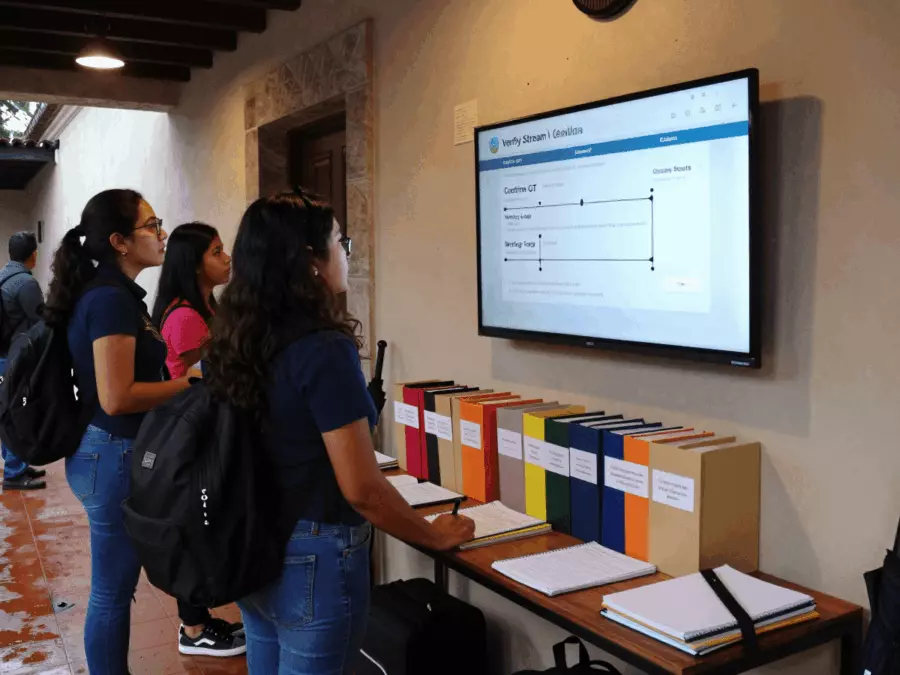
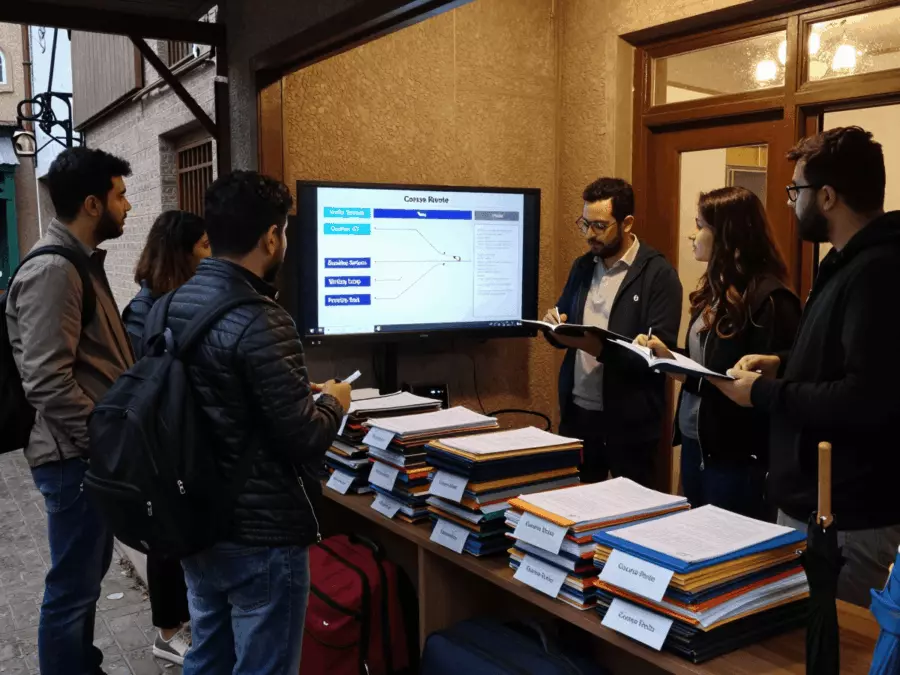
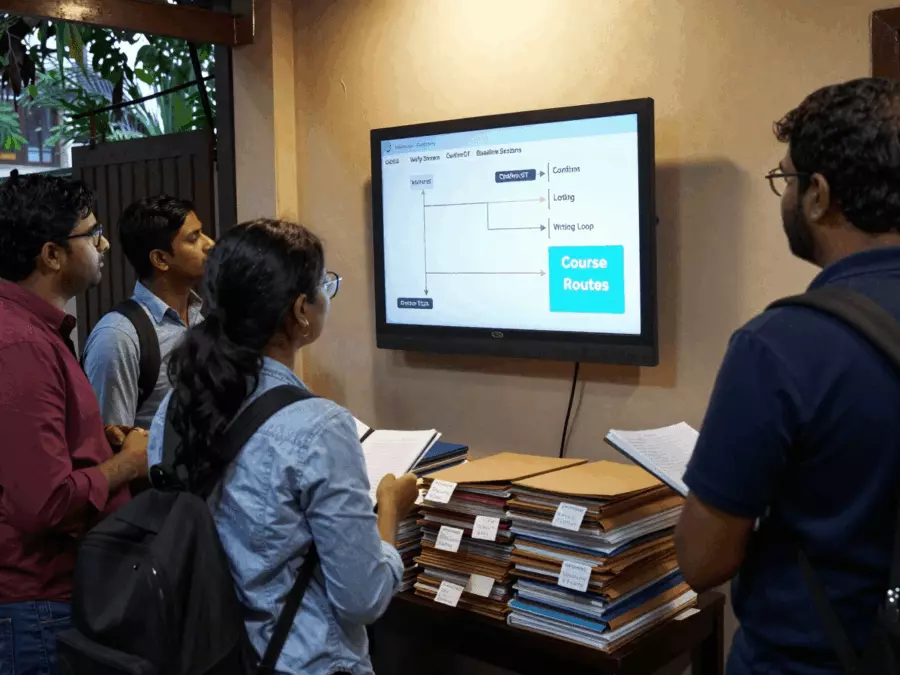
The visual should show Academic, General Training, immigration, or study-abroad planning as a clear route with next steps.

Should you still consider Academic at all?
Candidates preparing for Canada immigration usually assume General Training is always the right option. It is often true, but not universal. There are immigration-linked scenarios where official criteria may still make Academic a better route, or where both modules remain accepted and other factors should drive your choice.
The practical rule is not module labels. It is this:
What module is explicitly acceptable for your stream? – What writing task format aligns best with your profile and baseline? – Which section types are stable and where do you lose marks under exam timing pressure?
If Academic is required by your criteria, choosing General Training can create preventable rework. If General Training is accepted and your profile is stronger in practical communication and workplace-style text handling, then you avoid unnecessary complexity by staying with GT.
The safe sequence is straightforward: Requirements → Baseline mapping → Module confirmation → Course path → Weekly execution.
Why GT vs Academic matters for Canada immigration preparation
For immigration, the difference is mostly strategic, not just test flavor.
General Training is often better aligned with practical communication tasks, letter and request formats, and social-professional language use. Academic is more often relevant for research-heavy or institutional frameworks.
In GT, Writing Task 1 is generally letter-based and purpose-driven. Academic has report-oriented demands around charts, processes, or data interpretation.
For many Canadian migration pathways, this practical alignment can matter more than raw difficulty perception:
If your target documentation or communication tasks are practical, GT task logic often feels more natural. – If your strengths and weaknesses are heavily skewed by how writing formats are framed, this module difference is the first thing to evaluate. – If you train in the wrong form, you can spend months building habits that do not transfer to your required task type.
GT is not easier by default. GT removes one type of task style and adds another, and both require tight scoring control in all four modules. The only question is whether the task ecology matches your destination context.
Common misconception: Academic always implies better scores
Academic is not universally superior. A candidate with stable GT-like responses and practical reading strength can outperform in GT even if they are weaker in academic conventions. Success depends on fit and consistency.
Building a Canada-specific GT plan before enrolling
Because immigration applications often involve deadlines, eligibility windows, and changing policy language, your preparation has to be policy-aware. Use this sequence:
Confirm the program documents and requirements. 2. Confirm accepted module and score format. 3. Confirm timing constraints and your exam date windows. 4. Define your target and floor bands based on section and overall targets tied to your pathway. 5. Decide your learning route: – General Training module coaching – Writing-strength focus – Full-program sequencing
If your Writing Task 1 or Task 2 is unstable across attempts, a focused review loop is more useful than random extra practice. A IELTS writing checker can be used to spot repeated structure issues, task-response mismatches, tone shifts, and grammar pressure points.
That helps especially when your overall score is blocked by response inconsistency rather than absolute language level.
Many candidates try to prepare as if every section must be “perfect” at once. That is not practical for immigration timelines. You need:
a core section sequence (where most marks are recoverable quickly), – a controlled correction strategy, – and realistic repetition on high-frequency errors.
This is why structured courses and checkpoints are preferred over purely self-directed study for pathway-driven goals.
GT score planning without fixed thresholds
Do not treat score planning as one number. Use a three-layer model:
Target band: a practical goal that reflects your readiness and timeline. – Section floors: minimum score per module to satisfy pathway uncertainty and reduce risk. – Buffer band: a practical cushion above minimums for retake and day-of variance.
For immigration-focused planning, you should not rely on a single final target, because one section can slip on test day. A stronger plan is a distribution model:
target in Writing with a buffer buffer target in one high-variance section, – tighter control in Reading and Listening time, – and reliable Speaking output under stress.
Without fixed legal thresholds, set goals from your own baseline and requirement certainty:
If your baseline is early-stage (for example, below mid-6), your first objective is stabilization in task interpretation and timing. – In a middle stage (around 6 to 6.5), move to module-specific response architecture. – In a late stage (6.5 and above), your objective is score reliability and error-rate compression.
Whatever your profile, keep progression records per section and not just total score.
Baseline score for each section. – Top two recurring error categories. – Time overrun pattern (where your pace drops). – Priority correction for the next week. – One benchmark action for Writing, Reading, Listening, Speaking.
The purpose is predictability. You are not trying to be fast everywhere. You are trying to be deliberate where marks leak.
Preparation timeline for immigration candidates
Immigration goals usually need a structured calendar. A simple 12-week cycle works for many candidates with stable availability. For candidates with weaker baseline or part-time study, extend to 16 or 20 weeks without changing the structure.
Weeks 1-2: Requirement lock + baseline audit Do not rush into deep study content yet. Spend these weeks confirming your official criteria, checking validity windows, and doing a full diagnostic with honest error tagging.
confirmed module alignment, – section strengths and error map, – and a baseline score log.
Weeks 3-4: Core architecture building Build foundational habits for all four sections, but prioritize your two weakest modules after the requirement check.
build response templates for GT Writing Task 1 and a stable essay roadmap for Writing Task 2, – tighten reading question parsing rules, – add Listening transfer notes to catch paraphrase patterns and instruction shifts.
Weeks 5-6: Timed practice and section balancing Move from understanding to execution under timing pressure.
full section drills with timing control, – error review every 48-72 hours, – writing checker review at least once for each major writing pattern shift, – update intervention plan based on the highest-risk section.
Weeks 7-8: Integration and reliability This is where candidates usually improve most by reducing randomness.
combine two section blocks in one session (for example Reading + Writing or Listening + Speaking), – enforce section resets between blocks, – keep one full test loop every 10 to 14 days.
Weeks 9-10: Pathway simulation Now your study should match your real scenario:
tighten registration timeline, – schedule practice windows around expected retake windows, – focus on reducing section-specific misses that can swing band by 0.5 or more.
Weeks 11-12: Polishing and exam-readiness stabilization Shift to consistency:
avoid introducing new techniques, – repeat your strongest response structures, – keep section timing stable, – do review-only sessions for high-yield mistakes.
At this stage, candidates should have a stable baseline and an execution plan for the exam period.
16-week extended structure for part-time schedules
If your job and family commitments reduce weekly study time, keep the same milestones but stretch each phase by one to two weeks. The key is not intensity alone; it is predictable rhythm and review quality.
Weeks 1-3: baseline and module confirmation – Weeks 4-7: section foundations – Weeks 8-11: timed drills + review loops – Weeks 12-14: full-cycle simulations – Weeks 15-16: stability and risk-management prep
This slower plan is safer than collapsing too many strategies into one week.
Reading section strategy for GT in immigration context
Reading in GT for immigration-oriented candidates has a practical edge when handled with a task-logic model.
The most important improvement usually comes from two habits:
reading instructions as part of question solving; – building a question-type map before doing deeper interpretation.
missing where-to-look clues and drifting into non-target lines, – losing marks on matching and transfer questions due to weak category grouping, – underestimating how little room is needed to answer efficiently.
mark instruction words first (name, number, compare, select, classify), – keep one question-type notebook: each entry stores a recurring mistake and a single corrective action, – practice targeted blocks where you force retrieval logic before answer writing.
Writing strategy: the heart of immigration-focused GT
For GT immigration pathways, Writing is often the most controllable section if treated properly. The same score can hide big performance instability between task types.
General Training Task 1 is typically practical. Your answer is judged on purpose clarity and structure. Use this fixed sequence:
identify the prompt role: who is writing, and why, 2. set a clear request outcome in one sentence, 3. plan three information blocks: context, request details, and follow-up action, 4. keep register consistent from first to last line, 5. verify you directly addressed each required point.
Most losses are from not meeting action purpose, not from vocabulary alone.
Task 2 still needs a coherent position and paragraph logic. For immigration candidates, useful consistency comes from:
opening sentence with claim and boundary, – one argument paragraph with example and effect, – second argument paragraph with nuance and balancing, – controlled conclusion that aligns with the question scope.
prepare a reusable paragraph structure for your top two argument patterns, – check your final position against the prompt words, not what you remember from prep content, – avoid adding unsupported claims if your register is already unstable.
first review: identify response-template drift and task intent misses, – second review: language control, linking, and register consistency.
A IELTS writing checker can help reveal your recurring structure issues quickly, especially if you are switching between GT and full-course planning.
If your main bottleneck is idea organization and response logic, use the IELTS writing course early. It helps you build repeatable writing habits that later make section simulations more efficient.
If your writing is the only unstable module in an otherwise solid profile, this is usually the highest-return intervention.
Listening for practical immigration candidates
Listening is often where score reliability improves fastest because it exposes instruction-response habits.
predict likely response format from the question stem, 2. keep one listening line per answer chunk, 3. write only what is supported by the audio, 4. verify spelling and number format immediately after each block.
losing track of comparison words (more/less, before/after, because/although), – not allocating attention after a difficult segment, – transcribing too long and missing the exact requested unit.
Prep sequence
From requirement to study route
These images should show the learner checking requirements, choosing the correct test, and turning that into prep.
train brief pause recovery after each recording segment, – reduce over-writing and use short markers, – complete error logs by question category, not by subjective confidence.
Speaking section awareness without service language
Speaking is one of the four sections and should be prepared as an execution section, not a separate “performance product.”
identify question family (opinion, comparison, description, hypothetical), – set the first sentence structure quickly, – add two supporting points, – close with direct relevance to question scope.
This gives stable tempo and helps avoid blank-space anxiety in the middle of the interaction.
Use short timed rehearsal windows, then apply the same review style used for Writing and Reading:
was the task intent answered, – was the response length controlled, – did you maintain clarity under question transition.
If the same error repeats, fix one pattern for one week, not three at once.
Course routing: which path fits which profile
Not every candidate should start in the same course. For Canada immigration pathways, route by profile.
you confirm GT is accepted by your target pathway, – your score leaks are concentrated in task execution and practical task response, – you need an immigration-centered curriculum with clear section sequencing.
For this profile, begin with IELTS General Training course.
your Writing Task 1 and Task 2 error rates remain high while Reading and Listening are more stable, – you repeat unclear structure, register mismatch, and conclusion drift, – you need targeted writing correction before adding high-volume mock cycles.
Use IELTS writing course in the first phase or as a corrective phase after baseline diagnostics.
your baseline is already close to target and you need a sharp uplift, – your issue is reliability rather than exposure, – you can absorb review-driven adjustments weekly.
Move into IELTS Band 7 course once your module fit is validated.
your schedule requires weekly structure, – you need consistent milestones and checkpoints, – you already know the module but keep dropping marks due to inconsistent planning.
Use IELTS online course as the operating system that keeps the rest of the plan stable.
When your pathway is confirmed, IELTS practice tests are not a reward; they are your diagnostics engine. Run them on a schedule tied to your error map and section priorities.
A practical GT preparation map for Band 7 pathways
Many candidates aim for Band 7 because they assume it is the immigration target. A safer mindset is “build Band 7 readiness with pathway relevance.”
Band 7 path is about consistency across sections:
stable interpretation in Writing Task 1 and Task 2, – reduced careless misses in Reading and Listening, – controlled Speaking clarity under transfer pressure, – repeatable timing with lower variance.
If you are already at mid-6 range and aiming upward, your first gains likely come from:
consistent section timing, – fewer high-risk vocabulary guesses, – better response relevance.
secure module fit and requirements, 2. reduce top two section errors for two consecutive cycles, 3. then shift to full-band simulation and trend checks.
This sequence helps avoid plateaus where candidates work on hard content without repairing high-frequency leaks.
Why writers over-prepare content and under-repair structure
A common trap is reading more passages than practicing response structure. For writing-focused blocks, you can improve score faster by refining:
thesis and claim clarity, – paragraph role clarity, – lexical precision under limit, – and post-answer self-check.
When writing is consistently on point, your other section gains become easier to sustain.
Weekly work model by profile
Below are practical weekly models for candidates targeting immigration with different baselines. These are templates, not rigid promises.
For candidates with stable availability (12-week option)
4 focused sessions/week, 90 minutes each – 2 Reading/Writing cycles, 1 Listening cycle, 1 Speaking/Listening integration – 1 full practice test every two weeks – weekly score and error review with a correction decision
For candidates with moderate availability (16-week option)
3 sessions/week, 90 minutes each – alternate week focus between Writing and Listening/Reading – monthly full practice cycle – bi-weekly writing review with clear checklist
For candidates with limited availability (still viable)
4 short sessions/week, 45 minutes each – daily micro-rehearsal: instruction handling, one paragraph draft, one short listening pass – one full practice cycle every 3 weeks
With limited time, the decisive factor is not quantity but consistency of correction.
Performance logs and section analytics
A written log converts effort into progress.
section score, – section completion time, – top two mistake categories, – one note on condition factors (fatigue, rush, distraction), – next-week target linked to one specific section.
You do not need complex software. A simple spreadsheet can be enough as long as it is consistent.
did Writing errors improve? – which sections improve under reduced rush? – where does speed reduce accuracy? – which section should get one extra block next week?
This log becomes your decision file for whether to continue, intensify, or adjust course.
Course sequencing across the full prep journey
Most candidates in this group should avoid one of two extremes:
overcommitting to every resource from day one, – delaying any structured review for too long.
Confirm module and requirements (2 weeks) 2. Build section architecture (4 weeks) 3. Run controlled practice tests and correction cycles (3 weeks) 4. Scale into full-cycle simulation and targeted review (3 weeks) 5. Final consistency and risk control (2 weeks)
Within this sequence, the best sequencing choice is often:
first course: pathway-confirmed GT or Writing structure course, – second layer: online structure layer if planning consistency is weak, – selective Band 7 support if baseline and timeline justify it.
This keeps each course decision linked to observed need, not marketing.
How immigration candidates should use writing checker and practice together
Many candidates use these tools in the wrong order. Best order:
use mock or practice tests to surface section loss points, 2. isolate two writing patterns from low scores, 3. apply writing checker insights to those two patterns only, 4. retest related prompts.
This avoids the common failure cycle where one session rewrites everything and no pattern improves.
Common blockers and solutions for GT immigration candidates
Blocker 1: module uncertainty delays everything
If you are still unsure, complete a short diagnostic, gather official sources, and force a module decision within one week.
Blocker 2: too many resources, no progression
Reduce inputs. Pick one primary course path, one practice source set, and one review template for each week.
Blocker 3: writing and reading improve at different rates
Then split the week by reliability needs:
session 1 for writing consolidation, – session 2 for reading timing control, – session 3 for transfer review.
Blocker 4: unstable Speaking under pressure
Keep response structure fixed and short. Use one consistent format for each question family and focus on clarity and completion pace.
Blocker 5: retake pressure and deadline stress
Never raise test difficulty at the last minute. Improve section processes, not just total volume.
Practical checklist: next move for immigrants preparing now
If you need a clean start in the next 72 hours, complete this:
Confirm your exact immigration stream and link. – Verify module acceptance. – Record section baseline and top three errors. – Choose one route: – IELTS General Training course if criteria align and you need full pathway structure. – IELTS writing course if writing is your main blocker. – IELTS online course if schedule discipline is your top gap. – Add IELTS practice tests to a two-week review cycle. – Register a target date based on official validity windows.
When you complete this list, your preparation is no longer guesswork.
Sample weekly calendar for a mid-level baseline candidate
This schedule assumes consistent study availability and a 12-week GT track:
Monday (90 min): Writing Task 1 + Task 2 template and review. – Tuesday (60 min): Listening transfer from one previous block. – Wednesday (90 min): Reading question-type analysis. – Thursday (45 min): Speaking structure drills plus quick lexical consolidation. – Friday (60 min): mini practice set and short correction. – Saturday (90 min): full section simulation and immediate error log. – Sunday: rest and review notes only.
If a section is dropping repeatedly, replace the lowest-yield activity with one targeted correction session. Consistency beats novelty.
If your baseline is already high
Candidates with strong starting scores sometimes assume they only need final sprint material. But a narrow high baseline can fail in immigration contexts because submission timing and pathway specifics require reliability.
eliminate one major inconsistency, – strengthen the section with highest variance, – only then expand breadth.
This is where a Band 7 or focused writing phase becomes useful without burning through your schedule.
When to shift from GT study to review-only phase
Not every cycle needs heavy study. You should reduce volume if:
section procedures are stable, – errors are shrinking, – your practice trend supports your pathway threshold confidence, – timing remains consistent.
Review-only does not mean inactivity. It means:
one short section per day, – one structured review callout, – and one simulation before official booking.
If your section scores are unstable again, shift back into full correction mode immediately.
Key questions before booking your test
Have you confirmed the exact acceptance details for your stream and not just assumed them? 2. Do you have a module decision backed by documented requirements? 3. Is your score plan built from section floors and error logs? 4. Have you completed at least one correction cycle using practice tests? 5. Is your Writing quality stable enough for repeated prompt variation?
If all five are true, your study is no longer exploratory. It is operational.
Final planning note for migration-focused GT candidates
For Canada immigration, the most successful preparation path is the one that combines three elements:
official criteria checks done repeatedly, – module fit confirmed before heavy course commitment, – and section-level review cycles that remove your biggest repeat losses.
That combination is more effective than one-size-fits-all content.
Use the same logic you would use in any immigration process: evidence, consistency, and timing discipline. If your IELTS preparation does not have those, it will stall no matter how long you study. If it does, you will build momentum where it matters.
Related paths
Where to go next
Use the most relevant next page instead of opening every resource at once.
Next step
Choose the IELTS prep route that fits
Use the route on this page to choose the correct IELTS track before spending time on the wrong preparation path.