
IELTS mock testing
Free IELTS Mock Test: Use Practice Tests as a Diagnostic System
A mock score becomes useful only when the test is timed honestly, reviewed against evidence, and repeated after one specific method change.
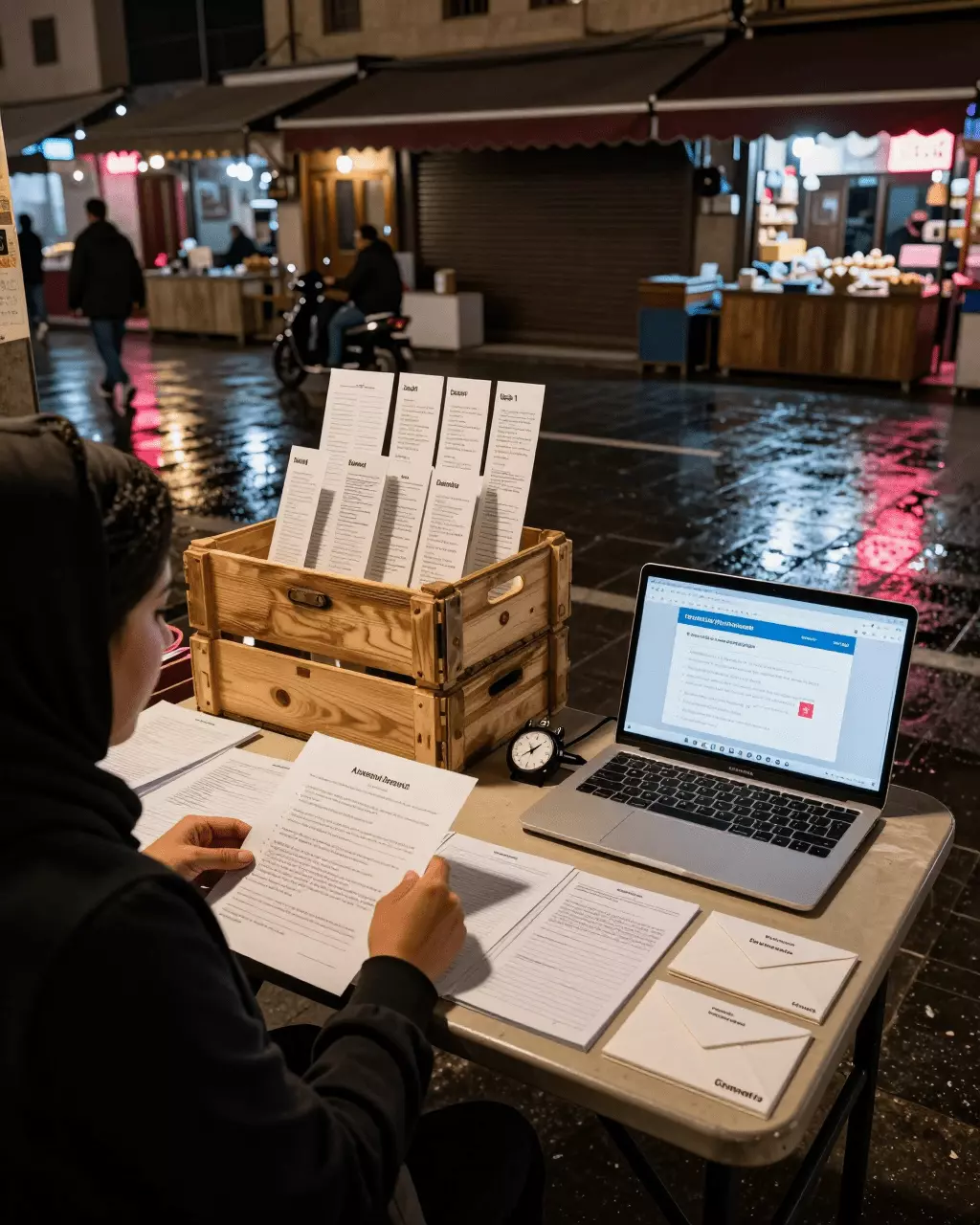 Timed protocolReview workflow
Quick diagnosis
What a Mock Test Should Tell You
Use each attempt to find repeatable evidence, not just a number.
Why a Free IELTS Mock Test Matters
Many learners treat a mock test as a free simulation to complete once they feel ready. That usually creates noisy evidence, because the score arrives without a clear explanation of what broke.
A better approach is to treat a free IELTS mock test as a diagnostic instrument. It shows how reliable your method becomes when the clock is real and the sections arrive in sequence. One result is only a clue, but two or three attempts with the same review format begin to show patterns; with a monthly score trend and section notes, you get evidence you can act on instead of a number to worry about.
That is the point.
The goal is not to collect more practice tests. The goal is to find the part of your process that breaks first: timing, question interpretation, recovery after mistakes, writing planning, or final checking. Start with a structured source such as IELTS Practice Tests when you need a consistent baseline. Section drills make more sense after the full mock has shown what actually needs repair.
A Mock Test Is Not an Official Prediction
An official IELTS test confirms a result; a mock test shows readiness patterns and weak points in your method.
Do not overread one isolated score. A low result may reflect fatigue or poor timing, while a high result may come from a lucky set of questions.
Use the mock to judge process quality first: realistic timing, section sequence, question-type misses, and whether writing plans stayed controlled.
Before you begin
Choose a Reliable Mock Test
Your baseline is only useful if the test format matches your real pathway.
Match Academic or General Training
Do not mix versions when setting your baseline.
Use full tests for readiness
Save section-only tests for repair work.
Check timing instructions
Each section should have clear limits.
Require answer keys or scoring
You need detail beyond a single score.
Keep formats comparable
Trend lines fail when every test is different.

Protocol
Build the Test Setup Before Day One
Book an uninterrupted block, prepare permitted tools, turn off notifications, and keep two folders ready: one for raw answers and one for review notes.
That split protects the evidence. Raw attempts show what happened during the test, while review notes explain the cause and define the next retest target.
Full mock flow
Use Realistic Timing and Sequence
A full mock should reflect cumulative pressure, not a fresh attempt at each section.
Start with Listening
Preview questions quickly and keep moving after missed answers.
Use transfer time if included
Follow your source test rules and record any differences.
Move into Reading
Map passages before solving hard questions.
Finish with Writing
Plan first, draft efficiently, then revise targeted errors.
Mock-Test Timing Benchmarks
Use these as consistency targets unless your platform gives different instructions.
| Section | Working time | What to record |
|---|---|---|
| Listening | 30 minutes plus transfer time if included | Missed items, prediction failures, and recovery quality |
| Reading | 60 minutes | Question type, time overrun, and final checking gaps |
| Writing | 60 minutes for both tasks | Planning, task response, paragraphs, and revision |
| Separate logistics | Scheduled outside the continuous block | Date, time, ID rules, platform, and arrival plan |
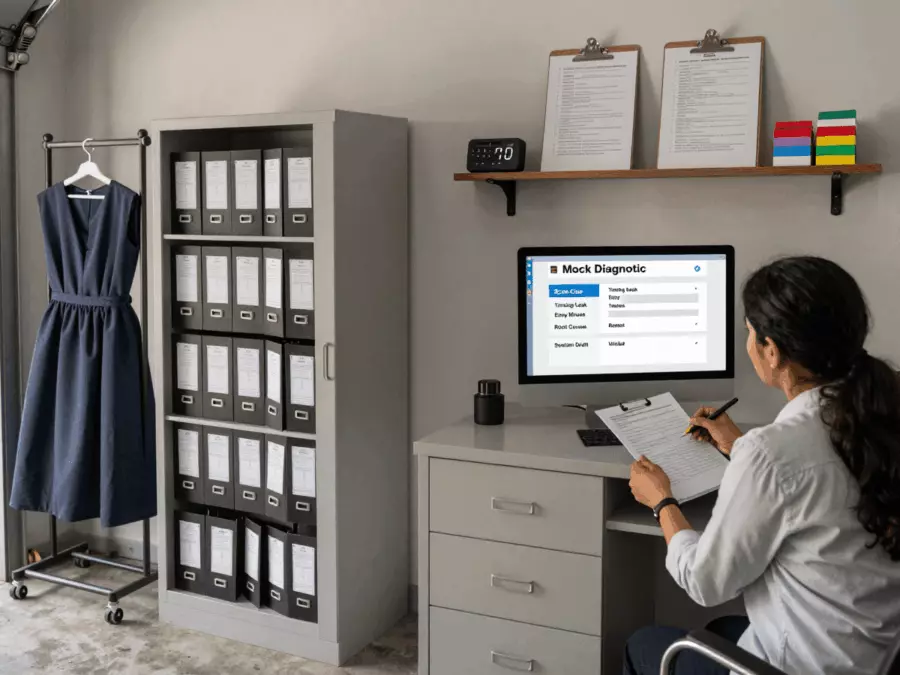
During the test
Control Each Section Differently
Listening needs quick prediction and calm recovery after a missed answer. Reading depends more on passage mapping and time control, especially when one difficult question threatens the whole section.
Writing has its own pressure point: task interpretation. A planned structure and selective revision usually matter more than simply producing more words.
Review Immediately While the Evidence Is Fresh
Review quickly. The best window is usually the first 30 minutes, while you still remember where the test felt rushed, where you guessed, and where your plan broke down. Late review often preserves the feeling of the test but loses the exact pattern that caused the result.
Start with a 10-minute raw log: overall estimate, section markers, time spent, easy misses, panic misses, and the strongest error pattern.
After that, move into a deeper review. Mark the exact question number, question type, likely root cause, and one practice action for each important error. For writing, quick feedback works only as a first filter; the IELTS Writing Checker can spot recurring issues, but you still need manual judgment about task fulfilment and argument quality.
Turn Symptoms Into Root Causes
Broad labels like weak reading or weak writing are too vague. Track the smaller system that failed.
| Symptom | Likely root cause | What to test next |
|---|---|---|
| Same Listening misses repeat | Prediction strategy is too weak | Run distractor and note-taking drills |
| Reading logic is correct but late | Section pacing is unstable | Set paragraph-level time budgets |
| Task 1 ideas are present but messy | Task interpretation is inaccurate | Draft chart or letter plans before writing |
| Task 2 arguments feel thin | Position control is weak | Build argument maps before full essays |
| Test-week details feel unclear | Logistics were not recorded | Add appointment rules to the exam checklist |
Review evidence
Keep Raw Attempts Separate From Review Notes
Use one file for untouched test output and another for the causes behind errors plus the retest decisions that follow.

Untouched answers, timing, and score estimate.

Error categories, root causes, and next action.
Build the Next Practice Block
Convert mock results into a focused week instead of attacking every section equally.
Section plan
Choose two priority weak points and one maintenance section.
- Run three focused sessions for the highest-impact weak point before a retest.
- Keep a lighter maintenance block for stronger skills so they do not drift.
Writing loop
Use timed tasks, fast feedback, one rewrite, and a comparable prompt.
- Use tool feedback for recurring language patterns, then revise one targeted criterion.
- When the same writing problems return, move into the IELTS Writing Course for method support.
Retest rule
Retest only after a method change has been trained.
- Use full mocks every 10 to 14 days for stable learners.
- Use section retests every 3 to 5 days when repairing a clear bottleneck.
Four-week cycle
Use This Mock-Test Cadence
Repeat the cycle every four to six weeks as your evidence improves.
Week 1
Take one full mock, record timing, and identify two weak points.
Week 2
Train each priority point with section drills and concise review logs.
Week 3
Retest the weak sections and compare error quality with Week 1.
Week 4
Run a revised full mock and decide whether to continue solo or add support.

Score trend
Read Your Trend Like a Strategist
Do not judge progress by total score alone. Track the gap between your best and worst sections, time overruns, repeated question-type misses, and whether writing corrections stay consistent.
That evidence tells you whether the next fix is a better method, more speed under pressure, or outside guidance.
Next steps
Where to Go After a Diagnostic Mock
Choose the next resource based on what the mock exposed.
Practice tests
Use a structured test hub for the next baseline.
Open testsFree classes
Get short-term guidance when review notes are unclear.
Try classesOnline course
Use a full roadmap after repeated mock-test plateaus.
See courseWriting checker
Spot recurring writing errors after timed tasks.
Check writingIELTS Practice Tests
Continue with this related IELTS preparation step.
Open resourceFree IELTS Classes
Continue with this related IELTS preparation step.
Open resourceFree IELTS Mock Test FAQ
Short answers to common questions about using mock tests correctly.
Most stable learners should take a full mock every 10 to 14 days. If you are repairing one weak section, use section-level retests every 3 to 5 days instead.
Only repeat it after enough time has passed and after you have trained a specific method change. Immediate repeats often measure memory, not readiness.
No. It can show readiness patterns, but it cannot replace an official IELTS result. Use it for diagnosis, not certainty.
Review timing, repeated question types, easy misses, panic misses, and writing criteria problems before counting minor spelling or wording slips.
Move into an IELTS Online Course when your mock cycle becomes repetitive and you need weekly structure, priorities, and integrated practice.
Final step
Make Your Next Mock Test Actionable
Choose one dominant weakness, define one weekly intervention, set one retest date, and keep the same review format until the pattern changes.