
Pakistan IELTS prep
IELTS Exam Prep for Pakistani Students
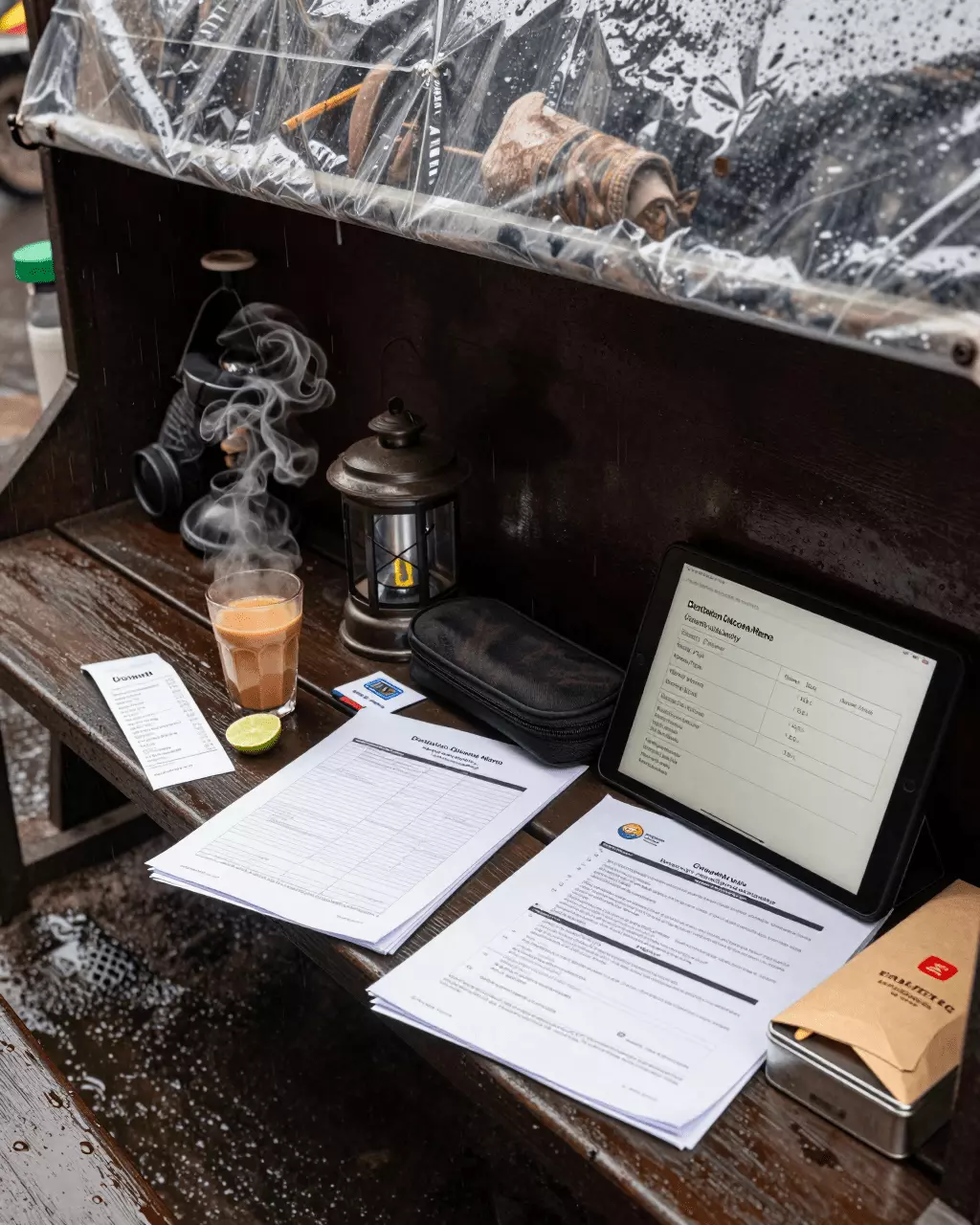
A practical online-first path for Pakistani candidates preparing for study abroad or work routes, with room for migration plans and family timelines alongside professional registration requirements.
 Free startSelf-paced path
Key decisions
What to settle before studying
Strong IELTS preparation starts with the right route instead of random practice, so these early decisions can prevent weeks of mismatched study.
Start with a verified destination
Pakistani IELTS candidates often prepare for university admission or migration.
Others are dealing with healthcare registration, employer requirements, and family-linked timelines that affect when proof of English has to be ready. Those routes can need different modules, score floors, score validity windows, and proof-submission rules. Before paying for deeper prep or choosing a test date, write down your destination authority, likely country, deadline, required module, target overall band, and any section minimums. If one answer is uncertain, keep your early study flexible until you confirm it from the official institution or employer. Immigration sources and licensing bodies should be checked directly as well.
This page gives educational IELTS preparation guidance.
Requirements can change, and IELTS rules vary by pathway. Check official sources before choosing a module, booking a test, or making an admissions or registration decision. Immigration and employment choices need the same source check.
The rerun loop to avoid
Most wasted IELTS effort comes from studying hard before the route is clear.
Prep before verification
The learner studies intensely but later discovers a different module or section target.
- This can force a restart close to the application or submission date.
- Practice feels productive, but it may not match the score rule.
- Paid resources are harder to evaluate without a known outcome.
Verify, then sequence
Confirm the route first, then choose free lessons, online course structure, and tests.
- A clear route makes Academic or General Training selection simpler.
- Baseline tests become planning tools instead of confidence rituals.
- Writing support can be added when data shows it is the limiter.

Module choice
Academic or General Training
Choose Academic when the university or professional body names it. If another destination authority is involved, use that source as the deciding evidence. Choose General Training when a work pathway accepts it or a migration route requires that version.
When the evidence is unclear, pause the final module decision. Compare the official requirement with the guide at IELTS Academic preparation course and the work or migration route at IELTS General Training course.
A cleaner prep sequence
Use this order before increasing study volume or buying a long course.
Confirm requirements
Check the institution, employer, immigration, or licensing source first.
Set the module
Choose Academic or General Training from the verified route.
Take a baseline
Measure Listening, Reading, Writing, and Speaking honestly.
Start structured lessons
Move into a self-paced IELTS online course path.
Add writing support
Use focused writing help when written tasks remain unstable.
Retest by trend
Use practice tests to guide changes, not just collect scores.
Use free classes as orientation
Free lessons are valuable when they help you test fit and module direction. They should also show whether the routine can work in your real week.
Instead of sampling lessons randomly, use the first few sessions to answer practical questions: whether the teaching style is clear, whether your available hours are realistic, and which two bottlenecks need attention first. Free entry work is best used as a low-pressure first step before committing to a full course sequence, especially if your official route is still being confirmed.
They should not be treated as a complete readiness system.
A practical start is to try free IELTS classes, then move into the fuller IELTS online course when your outcome and weekly rhythm are clearer.

Remote study
Make online prep resilient
A self-paced plan can work well for Pakistani learners because schedules may include university classes or work shifts. Family duties and travel can interrupt the week too, so variable internet belongs in the plan from the start.
Keep fixed minimum sessions and optional expansion sessions, then use a short error log to connect them. That turns remote prep from scattered videos into a controlled study system.
Three study modes for real weeks
Switch modes when your internet, device access, or time changes. Keep the same outcome log.
High bandwidth
Watch full lessons, run timed simulations, and review long explanations carefully.
Low bandwidth
Use text review, short drills, saved notes, and compact writing correction tasks.
Constrained week
Keep one section block, one writing note, and one checkpoint update.

Section planning
Balance all four skills
Listening and Reading need method plus timing control, with error categories kept visible after each practice set. Writing needs task parsing, paragraph purpose, criteria-based revision, and repeated correction. Speaking should stay inside the same weekly rhythm instead of becoming a disconnected side task.
If Writing is the repeated limiter, move deliberately into an IELTS writing course or the planned IELTS writing checker workflow while there is still time to change habits before the final month.
Practice tests should change decisions
A practice test is most useful when it changes next week’s study plan.
Before attempting one, decide whether the immediate focus is timing, a specific question type, writing completion, or stress performance under section conditions. After the attempt, record your top two error families and change a small part of the next study cycle. If the result rises once and then falls back, treat it as method feedback and look for the pattern behind the drop.
Use IELTS practice tests as checkpoints every one or two weeks once your baseline is in place.
A trend across several attempts gives better direction than one isolated score.
Two planning views to keep together
IELTS prep is stronger when the exam plan and life schedule are visible at the same time.

Module, target band, section floors, and practice-test trend.

Family dates, work shifts, admissions windows, and recovery weeks.
A 12-week baseline rhythm
Adapt this rhythm to your real availability. Extend a phase if needed instead of restarting.
Weeks 1-2
Verify requirements, choose module, take baselines, and set the minimum routine.
Weeks 3-5
Follow a stable lesson sequence and begin recurring writing correction.
Weeks 6-8
Balance sections by weakness and protect the weekly checkpoint habit.
Weeks 9-12
Run controlled timed cycles and finalize test-window decisions.

Target score
Build toward Band 7 by stability
Band 7 planning is not only about doing harder lessons. It is about reducing volatility across all sections, especially repeated writing issues and timing errors.
When section floors are stable and your review routine is consistent, the IELTS Band 7 course becomes the right precision layer instead of a premature shortcut.
Before upgrading your prep
Use this checklist before moving from free entry work into a full paid route.
Requirements confirmed
You know the source, module, and target score.
Weekly routine exists
You can keep a minimum study rhythm.
Bottlenecks named
You know the top one or two weak points.
Writing loop planned
You have a repeatable revision habit.
Checkpoint schedule set
You know when to retest and review.
Next 7 days
A concrete first week
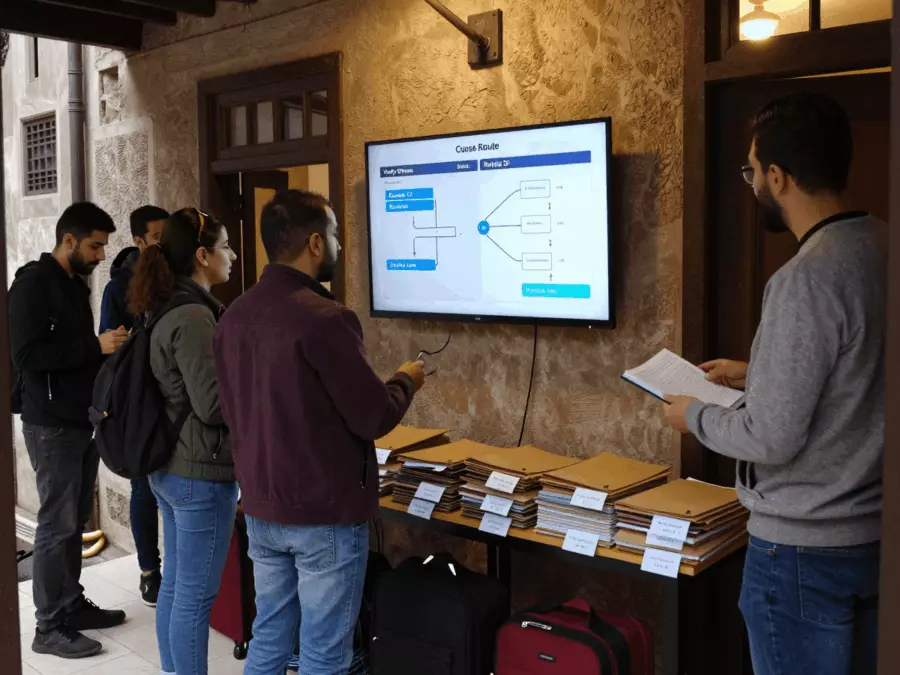
Start the week by verifying your requirement source and choosing the module only if the evidence is clear. Then use free orientation to test the lesson style, name two bottlenecks, and set the minimum routine before beginning a section sequence.
By the end of the week, choose the course path that fits the evidence you have. This is momentum, not a permanent promise; adjust intensity without dropping the checkpoint.
FAQ for Pakistani IELTS candidates
Common questions before choosing a full prep path.
Yes, if your plan has minimum weekly sessions and checkpoints. Short predictable routines usually beat large sessions that disappear during busy weeks.
Free classes are best for orientation and fit. For full readiness, most candidates need structured lessons, writing review, and regular practice tests.
Choose the module required by your official route. Academic often fits university or certain professional paths; General Training often fits work or migration routes.
Requirement verification. It prevents wrong-module prep and gives every lesson, practice test, and writing task a clearer purpose.
Start early if writing is already unstable. Waiting until the final stage can leave too little time to change recurring task and structure errors.
Not always. First stabilize your route, baseline, and weekly rhythm. Add a Band 7 path once section floors and writing consistency are visible.
Helpful next routes
Choose the next page based on what your verified outcome shows.



Start structured
Begin with a route you can keep
Verify the requirement, test the free lessons, then move into the course path that matches your module, schedule, and score target.

Related IELTS resources
Use these links for the next preparation steps referenced in this guide.
IELTS online course
Continue with this related IELTS preparation step.
Open resourceIELTS practice tests
Continue with this related IELTS preparation step.
Open resourceHomepage
Continue with this related IELTS preparation step.
Open resourceFree IELTS classes
Continue with this related IELTS preparation step.
Open resourceIELTS Academic preparation course
Continue with this related IELTS preparation step.
Open resourceIELTS General Training course
Continue with this related IELTS preparation step.
Open resource